AAN 2026 | Antithrombotic decision-making in stroke, AF, and atherosclerotic disease
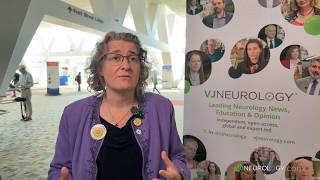
Mike Sharma, MD, MSc, FRCPC, McMaster University, Hamilton, Canada, shares guidance for approaching anti-thrombotic decision-making in patients with ischemic stroke, atrial fibrillation (AF), and coexisting atherosclerotic disease. Prof. Sharma highlights the importance of identifying the cause of the recurrent event and considering interventions such as surgery or stenting for conditions like carotid stenosis. This interview took place at the 78th American Academy of Neurology (AAN) Annual Meeting in Chicago, IL.
These works are owned by Magdalen Medical Publishing (MMP) and are protected by copyright laws and treaties around the world. All rights are reserved.
Transcript
It’s a great question, and it’s been a tough, tough situation. Generally, if you have somebody who has atrial fibrillation, is anticoagulated, and has a recurrent event, our approach really is to work to identify the cause of that recurrent event. For instance, if there is severe stenosis in the carotid, which is symptomatic, then the best approach is intervention by surgery or stenting in addition to anticoagulation...
It’s a great question, and it’s been a tough, tough situation. Generally, if you have somebody who has atrial fibrillation, is anticoagulated, and has a recurrent event, our approach really is to work to identify the cause of that recurrent event. For instance, if there is severe stenosis in the carotid, which is symptomatic, then the best approach is intervention by surgery or stenting in addition to anticoagulation. There have been now several trials in patients who have atrial fibrillation, have a recurrent event, and have atherosclerosis, either systemic in the coronary arteries or cerebrovascular atherosclerosis. The answer that we have quite clearly from those trials is that adding an antiplatelet to the anticoagulant for atrial fibrillation, those are most commonly factor X inhibitors, results in more bleeding than benefit. What there hasn’t been a trial of is short-term use of antiplatelet therapy. So in that scenario, you had somebody who has, for instance, intracranial atherosclerotic disease, has atrial fibrillation. Is it worthwhile using antiplatelet therapy for 21 to 30 days and then stopping it, which would get you over that initial high-risk period and hopefully would avoid the long-term bleeding risk. But this is going to be an area of ongoing consideration. We don’t yet have evidence to suggest adding antiplatelet therapy to factor X inhibitors in patients with atrial fibrillation is beneficial.
This transcript is AI-generated. While we strive for accuracy, please verify this copy with the video.
Read more...

Disclosures
Dr. Sharma has received personal compensation in the range of $10,000-$49,999 for serving as a Consultant for Bayer. Dr. Sharma has received personal compensation in the range of $5,000-$9,999 for serving as a Consultant for Regeneron. Dr. Sharma has received personal compensation in the range of $500-$4,999 for serving as a Consultant for Anthos. Dr. Sharma has received personal compensation in the range of $500-$4,999 for serving on a Speakers Bureau for Bayer. The institution of Dr. Sharma has received research support from Bayer.