WSC 2025 | Evidence for the use of DOACs in CVT: key clinical trials
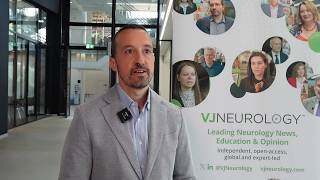
Diana Aguiar De Sousa, MD, PhD, Central Lisbon University Hospital Center, Lisbon, Portugal, comments on the increasing evidence around the use of direct oral anticoagulants (DOACs) in cerebral venous thrombosis (CVT), highlighting the results of several key clinical trials. Prof. Aguiar De Sousa notes that while these studies suggest the use of DOACs is safe and effective, certain patient populations, such as those with severe CVT or antiphospholipid syndrome, may still require consideration of vitamin K antagonists. This interview took place at the 17th World Stroke Congress (WSC) in Barcelona, Spain.
These works are owned by Magdalen Medical Publishing (MMP) and are protected by copyright laws and treaties around the world. All rights are reserved.
Transcript
There are increasing evidence around the use of DOACs in CVT. So there was the RESPECT-CVT trial, then the SECRET trial, a pilot phase at least was completed with rivaroxaban and the RESPECT-CVT trial with dabigatran. And now we have the DOAC-CVT study and also the ACTION-CVT study, which is a retrospective cohort. And the DOAC-CVT study is a prospective cohort. It was recently published. And it really compares in an observational perspective setting the use of different DOACs and also vitamin K antagonists...
There are increasing evidence around the use of DOACs in CVT. So there was the RESPECT-CVT trial, then the SECRET trial, a pilot phase at least was completed with rivaroxaban and the RESPECT-CVT trial with dabigatran. And now we have the DOAC-CVT study and also the ACTION-CVT study, which is a retrospective cohort. And the DOAC-CVT study is a prospective cohort. It was recently published. And it really compares in an observational perspective setting the use of different DOACs and also vitamin K antagonists. It is quite a large study, more than 500 patients. And there was no difference after controlling for all the other risk confounding factors. So overall, it was an interesting result, both in terms of the non-existing differences in terms of bleeding, in terms of thrombotic events, in terms of recanalization. So overall, it is reassuring of the use of DOACs. Still, we have to consider that very severe patients were less commonly included in these studies, and also that, of course, etiologies and risk factors, such as antiphospholipid syndrome, for example, still you have to consider use of vitamin K antagonists because of the evidence concerning the disease itself. So we still have to consider these aspects, very severe patients. Also, these studies were not assessing early initiation of DOACs. All these studies, almost all patients had a period for parenteral anticoagulation before starting DOACs. So the patient started oral anticoagulation after they were clinically stable. And so there is something to consider. And also, of course, if the patient has antiphospholipid antibodies, mechanical valves or other ongoing indications and contraindications for the use of DOACs, then, of course, that has to be considered. So overall, this is the condition in which we still consider mostly the use of vitamin K antagonists. And the emerging evidence, emerging agents, maybe factor XI inhibitors, there’s still no evidence, but could be something to consider in the future. Also new thrombolytic agents on the horizon. So let’s see what the next years lead us in terms of antithrombotic treatments in CVT.
This transcript is AI-generated. While we strive for accuracy, please verify this copy with the video.
Read more...