ESOC 2026 | Results of CRAFT: intensive blood pressure control in patients with atrial fibrillation
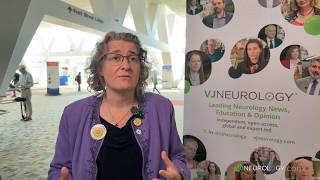
Craig Anderson, MD, PhD, The George Institute for Global Health, Sydney, Australia, shares the results of the CRAFT trial (NCT04347330), which is exploring the effects of intensive blood pressure control in patients with atrial fibrillation. Prof. Anderson highlights that there were suggestions of benefits of maximizing blood pressure control in a subgroup of patients. This interview took place at the 12th European Stroke Organisation Conference (ESOC) in Maastricht, The Netherlands.
These works are owned by Magdalen Medical Publishing (MMP) and are protected by copyright laws and treaties around the world. All rights are reserved.
Transcript
As you know atrial fibrillation is an increasing health burden all around the world with aging populations increasing risk factors and our focus has been on optimizing anticoagulation for stroke prevention. We often overlook the importance of other cardiovascular risk factor management in particular blood pressure lowering. But there’s a lot of uncertainty about what would be the optimal level of control...
As you know atrial fibrillation is an increasing health burden all around the world with aging populations increasing risk factors and our focus has been on optimizing anticoagulation for stroke prevention. We often overlook the importance of other cardiovascular risk factor management in particular blood pressure lowering. But there’s a lot of uncertainty about what would be the optimal level of control. There’s been no specific randomized trials of more intensive blood pressure lowering in patients with atrial fibrillation. Secondary analysis and meta-analysis of other cardiovascular trials suggest similar benefits of more intensive blood pressure lowering in people with atrial fibrillation, but those trials included mixed populations and were often undertaken before contemporary anticoagulation. So the whole purpose of the CRAFT trial was specifically to look at the benefits and safety of more intensive blood pressure lowering in patients with atrial fibrillation and other cardiovascular risk factors in the hope that this would show an additional benefit in this very high risk patient group. So we randomized over 1,600 patients over a several year period. The intensive group had a target of home blood pressure monitoring of less than 120 and the control group had a contemporary blood pressure management less than 135 systolic through home blood pressure monitoring and over an average period of 2.5 years of follow-up we showed no difference in the overall rate of a composite cardiovascular endpoint of non-fatal myocardial infarction, non-fatal stroke, cardiovascular death and hospitalisation for heart failure. We used this novel approach called win ratio where you count wins or losses between the randomized groups and overall it was a neutral finding. But interestingly enough in our pre-specified subgroups there were differences in relationship to age, sex and the use of anticoagulation, which couldn’t be easily explained by confounding or chance. It looks like there was a benefit in the younger, more robust patients and additional harms in those who were older and frailer. So overall result was no clear additional benefits in maximizing blood pressure control in this high-risk patient group, but a suggestion that tailored therapy in the younger, fitter patients could provide additional benefits over and above contemporary anticoagulation management.
This transcript is AI-generated. While we strive for accuracy, please verify this copy with the video.
Read more...