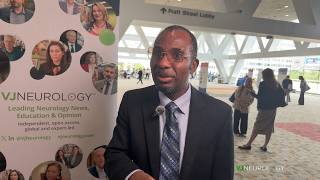
ESOC 2026 | Secondary analysis of TRIDENT: functional outcomes, quality of life, and cognitive outcomes
Craig Anderson, MD, PhD, The George Institute for Global Health, Sydney, Australia, discusses a pre-specified secondary analysis of the TRIDENT trial (NCT02699645) focusing on functional outcomes, quality of life, and cognitive outcomes. The TRIDENT trial explored triple therapy prevention of recurrent intracerebral disease events, and this secondary analysis yielded neutral results. This interview took place at the 12th European Stroke Organisation Conference (ESOC) in Maastricht, The Netherlands.
These works are owned by Magdalen Medical Publishing (MMP) and are protected by copyright laws and treaties around the world. All rights are reserved.
Transcript
So the TRIDENT trial results were presented at the World Stroke Organization Congress in Barcelona last October 2025. And the main results have been published in the New England Journal of Medicine in April 2026. The presentation at ESOC relates to pre-specified secondary outcomes related to functional recovery, modified Rankin scale and quality of life and also the cognitive outcomes, dementia and mild cognitive impairment and cognitive decline according to standard diagnostic procedures...
So the TRIDENT trial results were presented at the World Stroke Organization Congress in Barcelona last October 2025. And the main results have been published in the New England Journal of Medicine in April 2026. The presentation at ESOC relates to pre-specified secondary outcomes related to functional recovery, modified Rankin scale and quality of life and also the cognitive outcomes, dementia and mild cognitive impairment and cognitive decline according to standard diagnostic procedures. And on both of these secondary outcomes, there were neutral results. Difficult to explain because the overall results were tried and showed a very strong benefit for the prevention of stroke, and you’d expect then if you’re preventing stroke, you’re preventing disability, but that didn’t translate into those expected findings. The issues around dementia and cognitive decline, probably easier to explain. We did an MRI sub-study, which showed a very small background prevalence of cerebral small vessel disease in the population, which would tend to be younger, average age of 57, predominantly hypertension. And so maybe it’s a lower risk group. And also it’s been very difficult across cardiovascular trials to show a clear benefit of the treatment on dementia outcomes so probably not too surprising. So overall secondary analysis of the TRIDENT related to functional outcome, quality of life, and cognitive outcomes all neutral.
This transcript is AI-generated. While we strive for accuracy, please verify this copy with the video.
Read more...