ESOC 2025 | A systematic review and meta-analysis on biomarkers for recurrent stroke in patients with AF
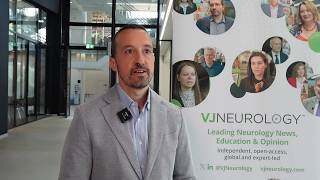
John McCabe, MB, BCh, BAO, MRCPI, PhD, Mater Misericordiae University Hospital, Dublin, Ireland, discusses a recent systematic review and meta-analysis on the clinical and biomarker determinants for recurrent stroke in patients with atrial fibrillation (AF). He highlights the need to better understand the mechanisms behind breakthrough strokes, and then goes on to discuss findings from the analysis, which could help to identify patients at the most significant risk of recurrent stroke. This interview took place at the 11th European Stroke Organisation Conference (ESOC) in Helsinki, Finland.
These works are owned by Magdalen Medical Publishing (MMP) and are protected by copyright laws and treaties around the world. All rights are reserved.
Transcript
So atrial fibrillation is responsible for one in three ischemic strokes and it is also responsible for a disproportionate amount of disabling strokes and thankfully for the last 20 years we have had oral anticoagulant therapies to give to our patients that have demonstrated strong evidence of benefit in reducing recurrent stroke risk. However, recently it’s become more apparent that many patients unfortunately do experience what is termed breakthrough strokes or stroke despite oral anticoagulation...
So atrial fibrillation is responsible for one in three ischemic strokes and it is also responsible for a disproportionate amount of disabling strokes and thankfully for the last 20 years we have had oral anticoagulant therapies to give to our patients that have demonstrated strong evidence of benefit in reducing recurrent stroke risk. However, recently it’s become more apparent that many patients unfortunately do experience what is termed breakthrough strokes or stroke despite oral anticoagulation. And recent data would suggest that about 40% of all AF-related ischemic strokes now occur in this context of patients taking these oral anticoagulant therapies. And one of the things that has struck me and my collaborators over the last couple of years is how little we understand about the mechanisms responsible for recurrent vascular events in patients taking oral anticoagulant therapy and indeed it appears that the residual risk of recurrence even on oral anticoagulation therapy may be as high as four to five percent per year. And this data would suggest that we need to have a better understanding of precisely what the biological mechanisms are implicated in these breakthrough strokes and this information would then help us identify and tailor new treatment strategies and also help us use risk prediction scores to identify patients who are at greatest risk of recurrent stroke. In a recent publication in Neurology in early 2025, we reported a systematic review and meta-analysis examining the association between clinical factors and biomarkers to identify patients who may be at greatest risk of recurrent vascular events after atrial fibrillation-related stroke. We found a number of things. First, we found that a history of stroke despite anticoagulation was strongly associated with future recurrent stroke. Second, we found that the burden of atrial fibrillation was also an important risk factor for recurrence in addition to individual components of the CHA2DS2-VASc score. In addition to clinical factors, however, we did find evidence to support that imaging markers of cerebral small vessel disease is also associated with a higher risk of recurrence as is imaging evidence of prior embolic or non-embolic brain infarction on MRI, and even if these infarcts are chronic-appearing. And finally, there was also some evidence that left atrial size as well as left atrial spontaneous echo contrast were both factors associated with recurrent stroke. And taken together, these data suggest that in addition to cardiovascular risk factors and features of cerebral small vessel disease, atherosclerotic risk factors are important in identifying patients at higher risk of recurrent stroke even those taking oral anticoagulants.
This transcript is AI-generated. While we strive for accuracy, please verify this copy with the video.
Read more...