WSC 2025 | Systems of care to improve the management of stroke in low- and middle-income countries
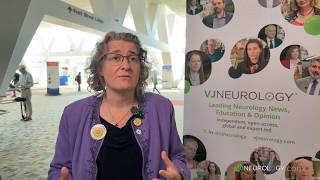
Eva Rocha, MD, PhD, Universidade Federal de São Paulo, São Paulo, Brazil, shares insights into systems of care that need to be developed to improve the management of stroke in low- and middle-income countries. Dr Rocha notes that innovative solutions such as telemedicine and tele-rehabilitation can improve access to stroke treatment in both urban and rural areas. This interview took place at the 17th World Stroke Congress (WSC) in Barcelona, Spain.
These works are owned by Magdalen Medical Publishing (MMP) and are protected by copyright laws and treaties around the world. All rights are reserved.
Transcript
When we talk about systems of care, we have to talk before the patient coming to the hospital. So we have to talk about stroke awareness and how are they going to assess the EMS service, the emergency service. In low and middle income countries, we have difficulties. Sometimes patients don’t know the number to the emergency services they don’t know which is the best hospital to go so that’s a big problem and when the EMS services are well structured there is still a problem with pre-notification so it’s important for them to pre-notify the hospital that a stroke patient is coming...
When we talk about systems of care, we have to talk before the patient coming to the hospital. So we have to talk about stroke awareness and how are they going to assess the EMS service, the emergency service. In low and middle income countries, we have difficulties. Sometimes patients don’t know the number to the emergency services they don’t know which is the best hospital to go so that’s a big problem and when the EMS services are well structured there is still a problem with pre-notification so it’s important for them to pre-notify the hospital that a stroke patient is coming. And in acute treatment, so we need access to neuroimaging, and we need to structure what’s the way of the patient when he or she arrives at the hospital. So from the pharmacy and the neuroimaging technician and the nurses everyone should be well informed well educated and there must be a good protocol so that we don’t lose time while seeing our stroke patients and that’s a big challenge. But we have some innovative solutions such as telemedicine and tele-rehabilitation and with those innovations we can improve access to stroke treatment even in urban or rural areas as well.
This transcript is AI-generated. While we strive for accuracy, please verify this copy with the video.
Read more...