UK Stroke Forum 2025 | The LACI-3 trial: isosorbide mononitrate and/or cilostazol in lacunar ischemic stroke
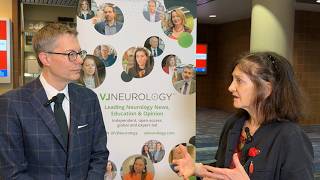
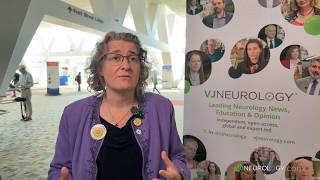
Joanna Wardlaw, CBE, MB ChB (Hons), MD, FRCR, FRCP, FMedSci, FRSE, The University of Edinburgh, Edinburgh, UK, introduces the LACunar Intervention (LACI) trial-3 (ISRCTN44436843), a Phase III trial investigating the efficacy and safety of two drugs, isosorbide mononitrate and cilostazol, in patients with lacunar ischemic stroke. Prof. Wardlaw hopes this trial will confirm the positive findings of the previously conducted LACI-2 trial (ISRCTN14911850; NCT03451591) and highlights that the primary outcome of the LACI-3 trial is cognitive function. This interview took place at the UK Stroke Forum (UKSF) 2025 Conference in Aberdeen, UK.
These works are owned by Magdalen Medical Publishing (MMP) and are protected by copyright laws and treaties around the world. All rights are reserved.
Transcript
The LACI-3 or Lacunar Intervention Trial 3 is a phase 3 trial. It’s funded by the UK National Institutes of Health Research, a major research funder, and it’s also being done with advice from the Medicines and Healthcare Regulatory Agency. It builds on the previous trial called LACI-2, which is in patients with lacunar stroke. So lacunar stroke is a type of small vessel disease. It’s a bit different to other types of stroke, which are due to atheroma or embolism from the heart...
The LACI-3 or Lacunar Intervention Trial 3 is a phase 3 trial. It’s funded by the UK National Institutes of Health Research, a major research funder, and it’s also being done with advice from the Medicines and Healthcare Regulatory Agency. It builds on the previous trial called LACI-2, which is in patients with lacunar stroke. So lacunar stroke is a type of small vessel disease. It’s a bit different to other types of stroke, which are due to atheroma or embolism from the heart. And we know that the current conventional treatment after you’ve had an ischemic stroke, which we would give to people with atheroma or embolism from the heart, it doesn’t seem to work quite so well in people with lacunar stroke; it’s still probably a bit helpful, but it’s not as helpful as it could be.
And so in LACI-2, we tested two other drugs, which are both widely available and used in other diseases, so one of them is licensed for heart disease for treatment of angina. It’s called isosorbide mononitrate. And the other one, in the UK, is licensed for peripheral vascular disease, but it’s actually also used in Japan and China and Korea in stroke prevention. And it has some anti-atheroma effects, but actually, it’s got a number of other effects which are probably more helpful to the type of problem that we think is happening in the brain in lacunar stroke. And in LACI-2, we tested both of these drugs, and we saw that one of the drugs reduced recurrent stroke, the other drug reduced dependency. Both drugs together reduced cognitive impairment and improved quality of life.
So in LACI-3, we’re trying to confirm those effects, and our major outcome is cognitive function. So that’s our primary outcome, and we’re really interested to see if one or other or both of these drugs can improve people’s cognitive performance, because that’s the main thing that people with lacunar stroke are most concerned about. And we will also find out if they can prevent recurrent stroke, if they can help improve physical function as well, and if they can also improve mood and quality of life. So we’re looking at all of these things, but we’re primarily focused on cognitive function. The trial opened for recruitment at the end of June this year, and we have 31 active centers now, and we’ve recruited so far 57 patients, and we’re aiming to recruit 1,300 by the end of the trial. So we’ve got a way to go, but it’s looking very positive, and we’re really grateful to all of the centers and the participants that have agreed to take part so far. So it’s on the up, but there’s still quite a way to go. So we’re always looking for new patients, and we’re still looking for new centers.
This transcript is AI-generated. While we strive for accuracy, please verify this copy with the video.
Read more...