ESOC 2026 | Cardiovascular exercise attenuates inflammation in the early subacute stages of stroke recovery
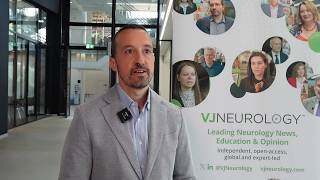
Bernat De Las Heras, PhD(c), Cereneo Rehabilitation Clinic, Weggis, Switzerland, discusses the high levels of inflammation in the early stages of stroke recovery and its association with poor outcomes, highlighting the need for interventions to reduce inflammation. Dr De Las Heras shares research showing an 8-week exercise program can reduce certain pro-inflammatory markers in stroke patients, making it a promising treatment for promoting recovery and secondary prevention. This interview took place at the 12th European Stroke Organisation Conference (ESOC) in Maastricht, The Netherlands.
These works are owned by Magdalen Medical Publishing (MMP) and are protected by copyright laws and treaties around the world. All rights are reserved.
Transcript
So basically what we realize is that inflammation is very high, especially in the early stages of recovery, especially pro-inflammatory markers that are associated with basically what we see is that high levels of inflammation in these early phases are associated with lower outcomes and an increase of recurrent stroke and even mortality. So trying to find interventions that reduce these levels of inflammation can hold therapeutic potential...
So basically what we realize is that inflammation is very high, especially in the early stages of recovery, especially pro-inflammatory markers that are associated with basically what we see is that high levels of inflammation in these early phases are associated with lower outcomes and an increase of recurrent stroke and even mortality. So trying to find interventions that reduce these levels of inflammation can hold therapeutic potential. So one intervention that we know that is affordable and basically is costless, or at least it doesn’t cost much, is cardiovascular exercise. What we saw, what we know is that exercise in neurotypical populations in healthy humans can reduce the levels of inflammation, but actually we don’t know much about what are the effects of this intervention, exercise, when it’s implemented after stroke, and especially in the early subacute phases. So what we saw is that by implementing an eight-week cardiovascular exercise program, this can reduce certain markers of pro-inflammatory, so some pro-inflammatory markers. And basically what we see is that, that although there’s a lot of variation, this intervention, which is very cost-effective, can actually be a promising treatment to promote recovery and perhaps also play an important role in secondary prevention for stroke.
This transcript is AI-generated. While we strive for accuracy, please verify this copy with the video.
Read more...