WSC 2026 | Current evidence on biomarkers of post-stroke cognitive impairment
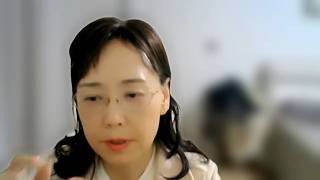
Gerrit M. Grosse, MD, PhD, University Hospital Basel, Basel, Switzerland, discusses the current state of evidence on biomarkers for post-stroke cognitive impairment (PSCI), highlighting the need for standardization of outcomes and collaboration to define biomarkers and their measurement. Dr Grosse notes that while imaging markers are more advanced, blood-based biomarkers show promise but require further validation before clinical implementation. This interview took place at the 18th World Stroke Congress (WSC) in Seoul, Korea.
These works are owned by Magdalen Medical Publishing (MMP) and are protected by copyright laws and treaties around the world. All rights are reserved.
Transcript
The problem with the PSCI, the post-stroke cognitive impairment, is that the standardization of these outcomes is not very homogeneous throughout the studies. We need more collaborations, I guess, for defining these outcomes and also the biomarkers and when to measure the biomarker. There have been plenty of studies investigating imaging markers. These are quite ahead, so to speak. However, blood-based biomarkers are also promising but need to be validated in the future before they could be implemented in clinical routine...
The problem with the PSCI, the post-stroke cognitive impairment, is that the standardization of these outcomes is not very homogeneous throughout the studies. We need more collaborations, I guess, for defining these outcomes and also the biomarkers and when to measure the biomarker. There have been plenty of studies investigating imaging markers. These are quite ahead, so to speak. However, blood-based biomarkers are also promising but need to be validated in the future before they could be implemented in clinical routine. But as for the recurrent events, collaboration is key, I guess, and we need more broader and homogeneous data to answer these questions.
This transcript is AI-generated. While we strive for accuracy, please verify this copy with the video.
Read more...