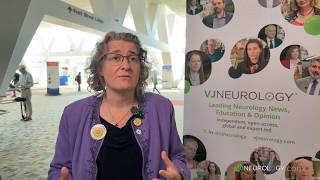
ISC 2026 | Meta-analysis on remote ischemic conditioning in ischemic and hemorrhagic stroke
Aravind Ganesh, MD, University of Calgary, Calgary, Canada, discusses the results of a meta-analysis project that examined the effectiveness of remote ischemic conditioning in ischemic and hemorrhagic stroke. Dr Ganesh highlights that it tends to be beneficial for functional outcomes and neurological recovery in ischemic stroke, but more research is needed for hemorrhagic stroke. This interview took place at the 2026 International Stroke Congress (ISC), held in New Orleans, LA.
These works are owned by Magdalen Medical Publishing (MMP) and are protected by copyright laws and treaties around the world. All rights are reserved.
Transcript
So we did this meta-analysis project where we synthesized the best available evidence from randomized controlled trials that have been published regarding remote ischemic conditioning in both ischemic stroke and hemorrhagic stroke. We found over 30 eligible trials and we were able to do pooled analyses of various different outcomes of interest to try and see if remote ischemic conditioning was helpful...
So we did this meta-analysis project where we synthesized the best available evidence from randomized controlled trials that have been published regarding remote ischemic conditioning in both ischemic stroke and hemorrhagic stroke. We found over 30 eligible trials and we were able to do pooled analyses of various different outcomes of interest to try and see if remote ischemic conditioning was helpful. What was interesting was that we found that in studies of ischemic stroke there generally tended to be a benefit of remote ischemic conditioning for functional outcomes and for neurological recovery, especially in trials that examined this over a fairly short time frame within 90 days or so. The benefit was less certain for longer-term benefits of RIC beyond that time point. For hemorrhagic stroke, the evidence is more spotty. There have been fewer studies of remote ischemic conditioning in that particular condition, and the overall number of patients enrolled in those studies has been small as well. So more to be learned about that.
This transcript is AI-generated. While we strive for accuracy, please verify this copy with the video.
Read more...