ESOC 2026 | CAA-related inflammation spectrum disorders and ARIA: challenges and future directions
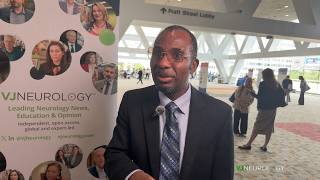
Ellis Van Etten, MD, Leiden University Medical Center, Leiden, Netherland, discusses cerebral amyloid angiopathy (CAA)-related inflammation spectrum disorders and amyloid-related imaging abnormalities (ARIA), highlighting their overlapping radiological and neurological presentations. Dr Van Etten notes that the APOE ε4 allele, pre-existing CAA, and hypertension are key risk factors for ARIA, and emphasizes that understanding more about these risk factors is needed to better characterize its pathophysiology and guide treatment decisions. This interview took place at the 12th European Stroke Organisation Conference (ESOC) in Maastricht, The Netherlands.
These works are owned by Magdalen Medical Publishing (MMP) and are protected by copyright laws and treaties around the world. All rights are reserved.
Transcript
Very interestingly, the pathology of CAA-related inflammation that occurs spontaneously is overlapping with that of the iatrogenic equivalent seen in the Alzheimer’s trials, called ARIA. And in the spontaneous CAA-related inflammation cases, you can see a very typical inflammatory reaction against the vascular amyloid, which causes edema and microbleeds, and that can cause neurological symptoms, depending on the area in the brain where this is happening...
Very interestingly, the pathology of CAA-related inflammation that occurs spontaneously is overlapping with that of the iatrogenic equivalent seen in the Alzheimer’s trials, called ARIA. And in the spontaneous CAA-related inflammation cases, you can see a very typical inflammatory reaction against the vascular amyloid, which causes edema and microbleeds, and that can cause neurological symptoms, depending on the area in the brain where this is happening. And in the Alzheimer’s antibodies, you can have the same mechanism where the antibodies also cause an inflammatory reaction and also by disaggregating the amyloid from the parenchymal plaques causing a larger flux of the amyloid in the vasculature, also leading to leakage, edema, and hemorrhagic lesions like microbleeds. And for clinicians, this can look exactly the same in terms of neurological symptoms, but also radiologically when you look on MRI. So in the past years, we’ve learned more about risk factors for having ARIA. We know, for example, that the ApoE4 allele is a risk factor. Also having CAA, also having hypertension increases this risk and knowing more about these risk factors can help us mitigate these adverse events or those who are treating these patients with these antibodies and what we have to learn now is to predict who is going to have severe ARIA because that is still quite unclear and so I think we need more knowledge on that maybe better biomarkers better prediction tools to inform patients who are potentially getting these antibodies. Well I think it’s important to realize that our knowledge about inflammation and the immune response in CAA is still at the beginning. And we should learn more about how the immune response is different in different stages of CAA and how we can measure it and maybe use it as a treatment target. So I think this will evolve in the next couple of years and help the field move from looking at structural damage on MRI to use more biomarkers to look at the underlying pathophysiology.
This transcript is AI-generated. While we strive for accuracy, please verify this copy with the video.
Read more...

Disclosures
Research contract with Alnylam Pharmaceuticals Inc. to recruit patients for a clinical trial paid to Leiden University Medical Center and an advisor/consultant to Biogen, also paid to Leiden University Medical Center.