ISC 2026 | Advances in stroke systems of care in Brazil and the need to replicate for subarachnoid hemorrhage
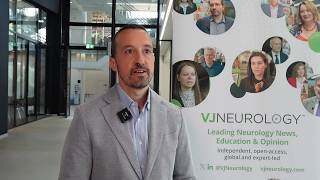
Gisele Sampaio Silva, MD, PhD, Federal University of São Paulo, São Paulo, Brazil, discusses the progress made in Brazil in improving systems of stroke care and highlights the need to replicate this success for subarachnoid hemorrhage. This interview took place at the 2026 International Stroke Congress (ISC), held in New Orleans, LA.
These works are owned by Magdalen Medical Publishing (MMP) and are protected by copyright laws and treaties around the world. All rights are reserved.
Transcript
Well, I’m very glad to say that in Brazil, we’ve been dealing with a wonderful society that has been working with our Minister of Health to improve systems of care in Brazil. We have done a lot in the last 10 years. So we made thrombolysis available in the public health system. We made thrombectomy available in the public health system. So we have to try to do the same things for subarachnoid hemorrhages to make sure that those patients are identified, that they are transferred, you know, in a timely way so that they can be treated and that we have like payments for more advanced procedures like coiling or clipping, whatever is indicated for that patient...
Well, I’m very glad to say that in Brazil, we’ve been dealing with a wonderful society that has been working with our Minister of Health to improve systems of care in Brazil. We have done a lot in the last 10 years. So we made thrombolysis available in the public health system. We made thrombectomy available in the public health system. So we have to try to do the same things for subarachnoid hemorrhages to make sure that those patients are identified, that they are transferred, you know, in a timely way so that they can be treated and that we have like payments for more advanced procedures like coiling or clipping, whatever is indicated for that patient. So I think that we have to follow what we did for ischemic stroke and that’s what we are trying right now.
This transcript is AI-generated. While we strive for accuracy, please verify this copy with the video.
Read more...