AAN 2025 | The therapeutic potential of RNS60 in the context of ischemic stroke
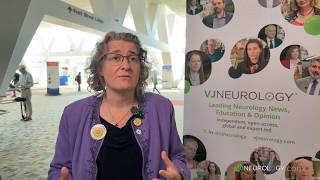
Supurna Ghosh, PhD, Revalesio Corporation, Tacoma, WA, comments on the therapeutic potential of RNS60, a cellular protective drug, in the context of ischemic stroke. Dr Ghosh highlights that RNS60 acts on multiple cell types, including neurons, microglia, and oligodendrocytes, exerting anti-apoptotic effects on neurons, dampening neuroinflammation in microglia, and promoting oligodendrocyte survival. This multi-target action is crucial in the acute ischemic phase and the subsequent recovery period following a stroke. This interview took place at the 77th American Academy of Neurology (AAN) Annual Meeting in San Diego, CA.
These works are owned by Magdalen Medical Publishing (MMP) and are protected by copyright laws and treaties around the world. All rights are reserved.
Transcript
RNS60 is a cellular protective drug and it has its action on a number of cell types. For example, on neurons, it is anti-apoptotic and it acts via the PI3 kinase AKT pathway in blocking cell death or neuronal death when the neurons are under stressful conditions such as hypoxia, for example. And in glial cells and particularly in microglial cells it dampens the inflammatory response and actually modulates neuroinflammation and we see this by with the help of a number of markers in preclinical studies...
RNS60 is a cellular protective drug and it has its action on a number of cell types. For example, on neurons, it is anti-apoptotic and it acts via the PI3 kinase AKT pathway in blocking cell death or neuronal death when the neurons are under stressful conditions such as hypoxia, for example. And in glial cells and particularly in microglial cells it dampens the inflammatory response and actually modulates neuroinflammation and we see this by with the help of a number of markers in preclinical studies. So the action is multiple target has multiple cell types as target the neurons as well as the microglia as well as the oligodendroglia and it actually helps survival of neurons and oligos, whereas dampening inflammation from microglia. So we think that these are all important events in ischemic stroke, where under hypoxic conditions, the mitochondria are under stress, the inflammation is activated, inflammatory pathways are activated, And a drug such as RNS60 will help the neurons to survive the acute ischemic phase as well as the inflammation being down in the follow-up period and the oligos survival will help it recover from the stroke.
This transcript is AI-generated. While we strive for accuracy, please verify this copy with the video.
Read more...

Disclosures
Employee at Revalesio Corporation.