UK Stroke Forum 2025 | Current evidence for remote ischemic conditioning to improve outcomes for patients with AIS
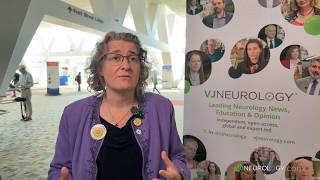
Wenbo Zhao, MD, PhD, Xuanwu Hospital, Beijing, China & University of Cambridge, Cambridge, UK, discusses the potential benefits of remote ischemic conditioning for patients with ischemic stroke, highlighting its ability to improve cerebral blood flow and reduce recurrence of ischemic stroke. Dr Zhao notes that while some clinical trials have shown promising results, particularly for patients treated with thrombectomy, further studies are needed to determine the optimal protocol and efficacy of remote ischemic conditioning for different patient groups. This interview took place at the UK Stroke Forum (UKSF) 2025 Conference in Aberdeen, UK.
These works are owned by Magdalen Medical Publishing (MMP) and are protected by copyright laws and treaties around the world. All rights are reserved.
Transcript
Nowadays, there’s a lot of neuroprotective drugs and other non-pharmacological therapies have been developed. And lots of them attack a single target of ischemic injury, but there is also lots of non-pharmacological therapies that can target the multiple targets of the ischemic injuries. And among these therapies, recently a very promising and more investigative strategy is remote ischemic conditioning...
Nowadays, there’s a lot of neuroprotective drugs and other non-pharmacological therapies have been developed. And lots of them attack a single target of ischemic injury, but there is also lots of non-pharmacological therapies that can target the multiple targets of the ischemic injuries. And among these therapies, recently a very promising and more investigative strategy is remote ischemic conditioning. And this therapy is that can be easily performed on the bilateral arm or unilateral arms that can, for several types of ischemic events followed by reperfusion of the blood, can generate protection to the brain. And this therapy has been investigated in animal studies and several clinical trials has provided promising results that the remote ischemic conditioning may benefit the patients by improving the cerebral blood flow or reducing the recurrence of ischemic stroke.
And recently, we also performed a meta-analysis of the use of remote ischemic conditioning for patients with ischemic stroke. And in our meta-analysis, we found that for patients with ischemic stroke who were not treated with intravenous thrombolysis or thrombectomy, and if the remote ischemic conditioning was performed for one week or two weeks, it can benefit the patients by improving the proportion of patients who can achieve an excellent outcome at 90 days. And the excellent outcome was defined as the mRS score of 0 to 1. And for the patients who are treated with intravenous thrombolysis and endovascular thrombectomy, currently, there’s not enough number of studies to determine the benefits of remote ischemic conditioning in this part of patients.
But we can see that recently, two months ago, there’s also a clinical trial that was performed in China that was published in the European Heart Journal. The results show that in patients who are treated with thrombectomy, that the remote ischemic conditioning performed within 24 hours for one week, and twice a day, can improve the functional independence of this part of patients. But the study only includes about 500 patients and the sample size is relatively small. And now we are also conducting a clinical trial that enrolled patients, about 2,000, and we will further determine the safety and efficacy of remote ischemic conditioning for patients who are treated with thrombectomy. And in this study, we also investigated whether two weeks or one month of remote ischemic conditioning has similar benefits or they have different benefits, and to determine the optimal protocol of remote ischemic conditioning. And for patients who are treated with intravenous thrombolysis, the preliminary studies showed that remote ischemic conditioning can benefit this part of patients by improving the functional independence. But the sample size is relatively small. And as far as I know, there’s also several clinical trials that are conducting in the field of remote ischemic conditioning, especially for patients who are treated with thrombectomy, treated with intravenous thrombolysis, and are not treated with both of them. And in our group, we also just finished a large clinical trial about using remote ischemic conditioning to prevent stroke-associated pneumonia in patients with ischemic stroke. But unfortunately, in this study, we enrolled 1,650 patients, but in this trial, we didn’t find the benefits of remote ischemic conditioning in benefiting the patients by reducing the incidence of stroke-associated pneumonia.
And also, there’s also some disappointing clinical trial results in the field of remote ischemic conditioning for ischemic stroke. But I believe that with more and more studies that are conducted in this field, and these trials will finally determine the benefits or the non-benefits of remote ischemic conditioning for patients with ischemic stroke. And also, there’s a lot of trials, I think the most promising direction of remote ischemic conditioning in the field is targeting patients who are treated with thrombectomy. Because from the animal studies, we can see that a lot of studies were performed and determined the benefits of remote ischemic conditioning in the model of ischemia and reperfusion. So, based on the model of the preclinical studies, and if we transform from a preclinical study to clinical trials, and the target patients are those who are treated with thrombectomy, especially those who achieved full recanalization. So, maybe our clinical trial that performed remote ischemic conditioning in patients treated with thrombectomy will reach our interim analysis, maybe next month we will reach our interim enrollment, and we hope to present our results in next year’s ESOC conference about the interim analysis of our findings. And the interim analysis will include about 800 patients who were treated with thrombectomy. And we hope our study can provide more solid evidence of remote ischemic conditioning in this field.
This transcript is AI-generated. While we strive for accuracy, please verify this copy with the video.
Read more...