ISC 2026 | Individualizing secondary stroke prevention with genomics and AI
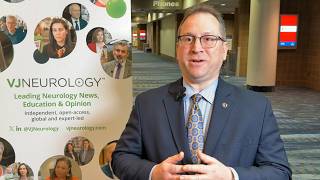
Andrew Russman, DO, Cleveland Clinic, Cleveland, OH, comments on the future of stroke secondary prevention, highlighting the importance of individualized risk factors and precision in prevention strategies. Dr Russman notes that the field is moving towards tailoring prevention strategies to optimal goals, taking into account genomic factors and using artificial intelligence to collate knowledge and optimize individualized care plans. This interview took place at the 2026 International Stroke Congress (ISC), held in New Orleans, LA.
These works are owned by Magdalen Medical Publishing (MMP) and are protected by copyright laws and treaties around the world. All rights are reserved.
Transcript
Yeah, I think when we talk about stroke secondary prevention, we’re looking at individualized risk factors. Part of individualizing those risk factors is providing a greater degree of precision. And I think where we’re going to see the field of stroke prevention move is not just in individual prevention strategies, but tailoring these prevention strategies to shoot for optimal goals, as well as looking at individual factors, genomic factors...
Yeah, I think when we talk about stroke secondary prevention, we’re looking at individualized risk factors. Part of individualizing those risk factors is providing a greater degree of precision. And I think where we’re going to see the field of stroke prevention move is not just in individual prevention strategies, but tailoring these prevention strategies to shoot for optimal goals, as well as looking at individual factors, genomic factors. And the study of those specific genomics in an individual patient and what medications or which clinical approaches are going to be most responsive for them. It’s going to help us to target an individualized care plan. And that’s where AI comes in. It collates, it puts together all of the different knowledge that’s available and uses a large language model or machine learning in order to optimize what is the right strategy for that individual patient, taking into account the degree of precision we need from knowledge from genomics as well as individual effects from medications.
This transcript is AI-generated. While we strive for accuracy, please verify this copy with the video.
Read more...