WSC 2025 | Current evidence for the use of EVT for the treatment of CVT
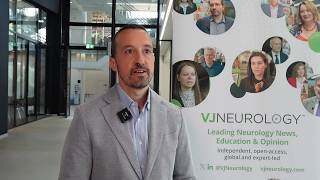
Ronen Leker, MD, Hadassah-Hebrew University Medical Center, Jerusalem, Israel, discusses the evidence for the use of endovascular treatment (EVT) for cerebral venous thrombosis (CVT), noting that most of the available data comes from case series. Prof. Leker highlights the need for more robust data, citing the TO-ACT study (NCT01204333) as the only randomized controlled trial. This interview took place at the 17th World Stroke Congress (WSC) in Barcelona, Spain.
These works are owned by Magdalen Medical Publishing (MMP) and are protected by copyright laws and treaties around the world. All rights are reserved.
Transcript
So the data right now is really insufficient. Most of the data regarding the use of EVT in CVT comes from case series. And there is only one randomized controlled study, the TO-ACT study, which only recruited 67 to 68 patients and was stopped early without showing any evidence of benefit for the use of EVT in patients with CVT. However, the case series that I was alluding to did show favorable results in terms of recanalization and in terms of favorable outcome in patients who did have endovascular therapy...
So the data right now is really insufficient. Most of the data regarding the use of EVT in CVT comes from case series. And there is only one randomized controlled study, the TO-ACT study, which only recruited 67 to 68 patients and was stopped early without showing any evidence of benefit for the use of EVT in patients with CVT. However, the case series that I was alluding to did show favorable results in terms of recanalization and in terms of favorable outcome in patients who did have endovascular therapy. However, these are case series, and there are a lot of problems with data from these case series. For instance, most of these studies do not have a control group. And also, some of these studies, we don’t know what were the exact indications for the use of EVT in these patients. And we don’t know the operator experience and how many cases they’ve done and what equipment was used. There is a whole range of variety across these studies and so data is definitely needed.
This transcript is AI-generated. While we strive for accuracy, please verify this copy with the video.
Read more...