WSC 2025 | The DETECT study: rapid diagnosis of ICH using GFAP levels in the pre-hospital setting
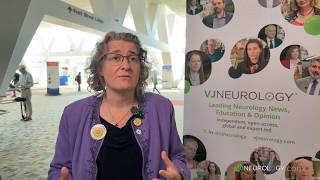
Love-Preet Kalra, MD, RKH Klinikum Ludwigsburg, Ludwigsburg, Germany, discusses the DETECT study, which investigated the diagnostic accuracy of glial fibrillary acidic protein (GFAP) levels in pre-hospital blood samples in patients with acute stroke. Dr Kalra highlights that the study found a significant difference in median GFAP levels between patients with intracerebral hemorrhage (ICH) and those with ischemic stroke or stroke mimics. This interview took place at the 17th World Stroke Congress (WSC) in Barcelona, Spain.
These works are owned by Magdalen Medical Publishing (MMP) and are protected by copyright laws and treaties around the world. All rights are reserved.
Transcript
The DETECT study was a diagnostic accuracy study in which we measured GFAP levels on pre-hospital blood samples in patients with acute stroke who presented within six hours of symptom onset. Samples were taken by the paramedics and measurements were performed in the hospital. And we included 353 patients, 76 ICH patients, and the rest were either ischemic stroke patients or stroke mimics. And we saw a big difference in the median GFAP levels...
The DETECT study was a diagnostic accuracy study in which we measured GFAP levels on pre-hospital blood samples in patients with acute stroke who presented within six hours of symptom onset. Samples were taken by the paramedics and measurements were performed in the hospital. And we included 353 patients, 76 ICH patients, and the rest were either ischemic stroke patients or stroke mimics. And we saw a big difference in the median GFAP levels. So around 200 was the median GFAP value in ICH patients, whereas it was 30 or 40 in stroke mimics and ischemic stroke patients. So we saw a slightly increasing GFAP value in patients with increasing age. So we defined different cutoff values, age-specific cutoff values, to reliably identify ICH or let’s say to have a high probability that they have an ICH.
This transcript is AI-generated. While we strive for accuracy, please verify this copy with the video.
Read more...