ESOC 2025 | Unanswered questions on infection and stroke, and strategies to prevent post-stroke infection
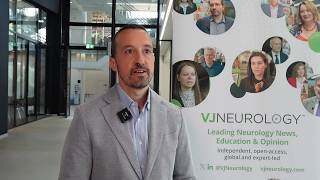
Ana Catarina Fonseca, MD, PhD, MPH, University of Lisbon, Lisbon, Portugal, discusses unanswered questions regarding the relationship between infection and stroke. She highlights the need to better understand the underlying mechanisms and then discusses potential strategies to prevent infections after stroke. This interview took place at the 11th European Stroke Organisation Conference (ESOC) in Helsinki, Finland.
These works are owned by Magdalen Medical Publishing (MMP) and are protected by copyright laws and treaties around the world. All rights are reserved.
Transcript
There are lots of things that we still need to know. Namely, we know that the infection needs to increase the risk of stroke, but we don’t know exactly which mechanisms are involved in this process. So there are lots of possible explanations, like for example, increased progression of atherosclerosis, that arrhythmias may happen, or there may be thrombotic states, but we really don’t know, so we really should know a little bit more about these mechanisms...
There are lots of things that we still need to know. Namely, we know that the infection needs to increase the risk of stroke, but we don’t know exactly which mechanisms are involved in this process. So there are lots of possible explanations, like for example, increased progression of atherosclerosis, that arrhythmias may happen, or there may be thrombotic states, but we really don’t know, so we really should know a little bit more about these mechanisms. Regarding infection after stroke, there are some ideas that there may be some medications that may decrease its risk, for example, to use beta blockers to try to see if there’s no such hyperactivation of the sympathetic nervous system, but really we need better evidence, we need to do more randomized clinical trials and test new substances to see if they can be used to prevent infection after stroke.
This transcript is AI-generated. While we strive for accuracy, please verify this copy with the video.
Read more...