WSC 2023 | SSRIs, OACs, and bleeding risks: insights from a comprehensive study
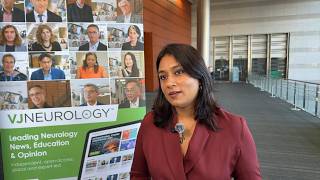
Alvi Rahman, PhD candidate, McGill University, Montreal, Canada, explores the relationship between the concomitant use of selective serotonin reuptake inhibitors (SSRIs) and oral anticoagulants (OACs) in patients with nonvalvular atrial fibrillation. While SSRIs are commonly prescribed as a first-line antidepressant for patients due to their efficacy and tolerability, they pose an increased risk of gastrointestinal bleeding and intracranial hemorrhage by disrupting the ability of platelets to amplify the hemostatic process. Although the absolute risk is low at 0.8%, results from a systematic review revealed a 35% increased risk when patients with nonvalvular atrial fibrillation receive both SSRIs and OACs, compared to OAC use alone. To delve deeper into this association, a population-based control study was conducted using a UK general practice database. The study unveiled a 33% increased risk of major bleeding with combined use and notably also revealed a clinically relevant risk window of 6 months. Moreover, the risk was slightly lower when direct oral anticoagulants (DOACs) were used compared to vitamin K antagonists (VKAs), aligning with the drugs’ mechanisms and existing clinical guidelines. These findings do not rule out the simultaneous prescription of these drugs, but rather provide insights for healthcare professionals to mitigate individual risk factors, especially in patients with heightened susceptibility to GI bleeding, high blood pressure, NSAID use, and alcohol consumption. This interview took place at the World Stroke Congress (WSC) 2023 in Toronto, Canada.
These works are owned by Magdalen Medical Publishing (MMP) and are protected by copyright laws and treaties around the world. All rights are reserved.