The Sleep Disorders Channel is supported through educational grants from Alkermes and Takeda.
VJNeurology is an independent medical education platform. Channel supporters have no influence over the production of content.
Sleep Europe 2026 | Zero-burden sleep monitoring technologies: implications for dementia and motor neuron disease
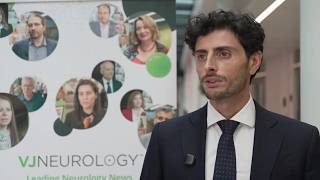
Danny Eckert, PhD, Flinders University, Adelaide, Australia, discusses the use of zero-burden technologies to monitor sleep, breathing and vital signs in patients with dementia, motor neuron disease and other neurological conditions. Prof. Eckert explains that, in patients with dementia, these devices can detect spikes in vital signs days before respiratory infection symptoms appear, allowing early intervention, and highlights that some of these systems are being implemented in the NHS for dementia. This interview took place at Sleep Europe 2026 in Maastricht, the Netherlands.
These works are owned by Magdalen Medical Publishing (MMP) and are protected by copyright laws and treaties around the world. All rights are reserved.
Transcript
Yeah, look, really good question. And we heard from the other speakers, some of the important insights we can get from this technology, not only for sleep and breathing, but also for the body clock and the circadian rhythm. We heard about implications for people with dementia and how these zero-burden tracking systems can be really helpful in monitoring folks when they’re in and out of bed over time, whether they’re spending more time in bed can be an indication of deterioration of their disorder...
Yeah, look, really good question. And we heard from the other speakers, some of the important insights we can get from this technology, not only for sleep and breathing, but also for the body clock and the circadian rhythm. We heard about implications for people with dementia and how these zero-burden tracking systems can be really helpful in monitoring folks when they’re in and out of bed over time, whether they’re spending more time in bed can be an indication of deterioration of their disorder. But also we saw some you know really interesting data on what can happen in terms of because these devices give us vital signs monitoring you know respiratory rate as well as heart rate non-invasively each and every night. And so some really nice data coming out of the UK showing that with infection COVID or otherwise respiratory and other infections, we see these very large spikes in these vital signs. And in fact, what I found really interesting is that that happens a couple of days before the symptoms arise of a respiratory infection. So there’s that ability to be able to intervene early, particularly in some of these folks that hospitalization is a real problem for folks with dementia once they’re in hospital things do not go well typically, so trying to keep them out of hospital can be really important. So that’s one use of these devices but there are actually many, you know remote monitoring opportunities where this may be and I guess in the neurological space things like motor neuron disease and other issues like that can be really important as well for monitoring these folks and how things are changing over time. In relation to how do we implement these it really depends on the system and the local environments any new technology needs to go through a number of steps for people to be confident that it’s working and putting those systems in place but yeah it was encouraging to see that some of these systems are being implemented in the NHS at least in the context of dementia.
This transcript is AI-generated. While we strive for accuracy, please verify this copy with the video.
Read more...