ESOC 2026 | Insights into spinal cord stroke: diagnosis, treatment, and unmet needs
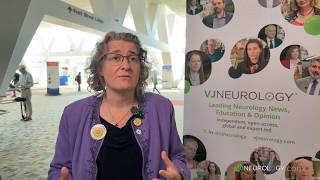
Ana Catarina Fonseca, MD, PhD, MPH, University of Lisbon, Lisbon, Portugal, discusses key takeaways from a session focused on spinal cord stroke. Dr Fonseca mentions the challenges of diagnosis, the limited evidence guiding acute treatment, and the importance of rehabilitation and multicenter collaboration in this rare form of stroke. This interview took place at the 12th European Stroke Organisation Conference (ESOC) in Maastricht, The Netherlands.
These works are owned by Magdalen Medical Publishing (MMP) and are protected by copyright laws and treaties around the world. All rights are reserved.
Transcript
Yeah, so we had a very interesting session on spinal cord infarct, actually. It’s a very rare type of stroke. The main topics I would say to take away are, first of all, it’s still mainly a clinical diagnosis, because even though you may do an MRI, in 25% of cases, the MRI will be negative, so you really have to trust your clinical judgment. There isn’t much information about how to react in the acute phase, namely if thrombolysis is used or not...
Yeah, so we had a very interesting session on spinal cord infarct, actually. It’s a very rare type of stroke. The main topics I would say to take away are, first of all, it’s still mainly a clinical diagnosis, because even though you may do an MRI, in 25% of cases, the MRI will be negative, so you really have to trust your clinical judgment. There isn’t much information about how to react in the acute phase, namely if thrombolysis is used or not. And we have talked about in the future stepping up and establishing multicenter studies that may help to connect and to take away all of these patients and collect them and to do it with more. And another point, very important, is really the importance of rehabilitation of these patients. And most of them end up with a good functional outcome afterwards.
This transcript is AI-generated. While we strive for accuracy, please verify this copy with the video.
Read more...