UK Stroke Forum 2025 | The introduction of a stroke lipid specialist nurse to improve lipid optimization
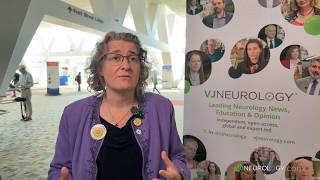
Joseph Kwan, MB ChB, MPhil, MD, Charing Cross Hospital, London, UK, discusses the implementation of a stroke lipid specialist nurse post to address gaps in lipid service and management in the hyperacute stroke unit. Dr Kwan highlights that the introduction of this post has led to significant improvements in patient care. This interview took place at the UK Stroke Forum (UKSF) 2025 Conference in Aberdeen, UK.
These works are owned by Magdalen Medical Publishing (MMP) and are protected by copyright laws and treaties around the world. All rights are reserved.
Transcript
Yeah, so we audited our service about two or three years ago and found really significant gaps in the lipid service and the way that we talked to the patient and managed the lipid lowering in the hyperacute stroke unit. And we didn’t do very well at all and so lots of patients were being discharged not on the right dosage of medications or not on any medication at all sometimes and they’re not being followed up properly and we’re not chasing the GPs or chasing the primary care to repeat their cholesterol, for example...
Yeah, so we audited our service about two or three years ago and found really significant gaps in the lipid service and the way that we talked to the patient and managed the lipid lowering in the hyperacute stroke unit. And we didn’t do very well at all and so lots of patients were being discharged not on the right dosage of medications or not on any medication at all sometimes and they’re not being followed up properly and we’re not chasing the GPs or chasing the primary care to repeat their cholesterol, for example. So we got one of the nurses to second into a post, which is the stroke lipid specialist nurse post, the CNS post. And so what he did or what he does is to find the patients every morning with ischemic stroke or TIA and then make sure all their bloods are done and with the results to make sure that the statin prescription is according to guidance and then the most important thing is to educate the patient about the importance of lowering the lipids, lowering the cholesterol and adopting a healthy lifestyle with improving the nutrition, exercise as well as the blood pressure control and diabetic control and weight control. And then we see them in clinic six to eight weeks later and we retest the cholesterol using a finger blood test. So we get the result there and then and we give an instant feedback to them about their cholesterol and how they can change their medication going forward. And if they satisfy the criteria for an injectable treatment, then we can put them in the clinic and they then come back to my clinic for the injectables. So we’ve kind of started a service that gives them a seamless lipid lowering control from the moment they arrive to follow up and make sure that they get down to the treatment target of below 1.8 and that’s when we’re happy. So what we know is since we started the pilot with the specialist nurse, before it was below 50 percent of people were hitting the target and now it’s almost three quarters of people are hitting the target so we know we’re doing well and with the injectable clinic as well I would say 80-90 percent of people will be within target which means reduced risk of another stroke or heart attack so yeah it works.
This transcript is AI-generated. While we strive for accuracy, please verify this copy with the video.
Read more...