WSC 2025 | The EduWAND initiative: educating women about neurological disorders in India
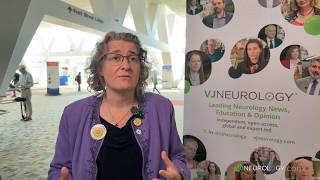
Bindu Menon, MD, DM, FRCP, FAAN, FWSO, Apollo Speciality Hospitals, Nellore, India, Co-Chair of Research Committee at WSO & Board Member of SSO WSO, discusses the EduWAND initiative in India, which aims to educate women about neurological disorders. This initiative educates women about stroke risk factors and recognizing and responding to stroke symptoms. This interview took place at the 17th World Stroke Congress (WSC) in Barcelona, Spain.
These works are owned by Magdalen Medical Publishing (MMP) and are protected by copyright laws and treaties around the world. All rights are reserved.
Transcript
Over the course of time, while we’re doing all these initiatives, we realized that women in particular are deprived of healthcare. They don’t come up and they have several stigmas around them that deter them from approaching the hospitals. So we felt that to educate women, more so to put into perspective that women are the caregivers for every stroke patient in the society. So to educate them, we started our EduWAND, which is educating women about neurological disorders, because we feel that if we educate one woman, the family gets educated and the society gets educated...
Over the course of time, while we’re doing all these initiatives, we realized that women in particular are deprived of healthcare. They don’t come up and they have several stigmas around them that deter them from approaching the hospitals. So we felt that to educate women, more so to put into perspective that women are the caregivers for every stroke patient in the society. So to educate them, we started our EduWAND, which is educating women about neurological disorders, because we feel that if we educate one woman, the family gets educated and the society gets educated. So we educate them about hypertension, diabetes, how to check blood pressure, the importance of salt in the diet, because that’s the most important thing that can bring down the burden of hypertension and stroke in general, in particular. We tell them about the stroke risk factors and also we have developed a Telugu, that is my vernacular language, the BE-FAST version of stroke recognition, which is a musical notation, so that we can connect to the people in general in the rural areas, so that they can recognize and respond to the stroke symptoms, as to which hospital they should go, when they should go, and time is brain.
This transcript is AI-generated. While we strive for accuracy, please verify this copy with the video.
Read more...