ESOC 2025 | The impact of infections on stroke risk and outcomes and the importance of vaccinations
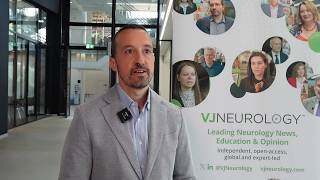
Ana Catarina Fonseca, MD, PhD, MPH, University of Lisbon, Lisbon, Portugal, comments on the association between infections and stroke risk and outcomes. She highlights that infections such as tuberculosis and bacterial meningitis are well-established risk factors, while new evidence suggests that any type of infection can increase stroke risk. Prof. Fonseca notes that infections after stroke can also impact outcomes, including cognitive complications and delayed rehabilitation. She emphasizes the importance of preventing infections through vaccination. This interview took place at the 11th European Stroke Organisation Conference (ESOC) in Helsinki, Finland.
These works are owned by Magdalen Medical Publishing (MMP) and are protected by copyright laws and treaties around the world. All rights are reserved.
Transcript
So now we know a little bit more than we knew some years ago about the risk of stroke in patients that have had an infection. I think in general we can divide that risk in terms of known infections that we have known for some time that are causes of stroke. For example, [inaudible] patients who have tuberculosis or bacterial meningitis, those are already the ones that we already knew that were associated with the increased probability of having a stroke...
So now we know a little bit more than we knew some years ago about the risk of stroke in patients that have had an infection. I think in general we can divide that risk in terms of known infections that we have known for some time that are causes of stroke. For example, [inaudible] patients who have tuberculosis or bacterial meningitis, those are already the ones that we already knew that were associated with the increased probability of having a stroke. And now there is also some evidence that any kind of infection, including infectious respiratory diseases and even upper tract ordinary infections can also increase the risk of stroke. There are some studies that have been shown that when you have a pulmonary infection or a cutaneous infection, in the first seven days, the risk of having a stroke really increases. So we know also that patients after stroke also have an increased risk of having infections. And we now know that when we do immunosuppression mechanism that happens in patients with stroke, the most common are urinary tract infections and pneumonia. These are the most common that usually happen. There’s some evidence now that having these infections may also increase the risk of having other types of complications later on, namely cognitive complications and there’s also some evidence that it may delay or put at risk your rehabilitation. That’s a tricky question, right? Because we know now that it seems that any kind of infection increases the risk of stroke. So probably for infections that we can prevent, namely by using vaccination, that’s what you should be using. We know now that there are some studies that have shown that influenza increases the risk of stroke and in patients that have been vaccinated that risk decreases. Same for varicella zoster virus. There is currently a vaccination that can be used. So if there’s a vaccination that can be used to prevent those infections, patients should be vaccinated.
This transcript is AI-generated. While we strive for accuracy, please verify this copy with the video.
Read more...