ESOC 2026 | Expanding “Time is Brain” beyond ischemic stroke in neurological emergencies
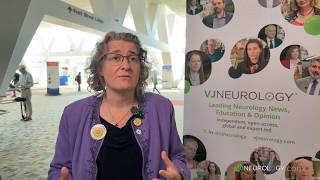
Marialuisa Zedde, MD, AUSL Reggio Emilia, Reggio Emilia, Italy, discusses the evolving concept of “Time is Brain,” highlighting that the principle of rapid diagnosis and intervention should extend beyond acute ischemic stroke to include hemorrhagic stroke and other neurological emergencies. Dr Zedde also emphasizes the importance of reorganizing neurological care pathways to support faster treatment and improve patient outcomes. This interview took place at the 12th European Stroke Organisation Conference (ESOC) in Maastricht, The Netherlands.
These works are owned by Magdalen Medical Publishing (MMP) and are protected by copyright laws and treaties around the world. All rights are reserved.
Transcript
So time is brain is a definition used for considering cerebral vascular disease, in particular acute stroke, acute ischemic stroke. Time is brain derives from the Benjamin Franklin sentence, time is money. So the next evolution was time is muscle for defining the need to speed up the action and intervention for acute myocardial infarction. So the third evolution is time is brain. Time is brain was applied to acute ischemic stroke...
So time is brain is a definition used for considering cerebral vascular disease, in particular acute stroke, acute ischemic stroke. Time is brain derives from the Benjamin Franklin sentence, time is money. So the next evolution was time is muscle for defining the need to speed up the action and intervention for acute myocardial infarction. So the third evolution is time is brain. Time is brain was applied to acute ischemic stroke. It is a very impressive sentence, but brain doesn’t mean only stroke. It doesn’t mean only ischemic stroke. Also for hemorrhagic stroke, there is the need to consider a timely intervention. And time is brain is valid not only for ischemic, but also for hemorrhagic stroke, where the golden hour intervention is even more efficient than in ischemic stroke. And time is brain is relevant for other non-vascular neurological diseases, for example, the starting of therapy in patients with seizures or status epilepticus. And we also could have a larger definition, including patients with Guillain-Barre syndrome and other severe inflammatory involvement of peripheral nerves, and also inflammatory disease of central nervous system with an acute presentation. So in these diseases, it has been known that a timely diagnosis and a timely starting of therapy could prevent damage and could improve the prognosis. So time is brain should also be applied in other diseases other than vascular diseases, other than ischemic stroke also within vascular diseases and another relevant information is that the application of this sentence for other neurological disease has a strong impact on the organizational point of view. So pathway management of many neurological diseases should be reassessed considering the need to speed up the process.
This transcript is AI-generated. While we strive for accuracy, please verify this copy with the video.
Read more...