ESOC 2021 | Investigating the neurobiological mechanisms behind VNS intensity and stroke recovery
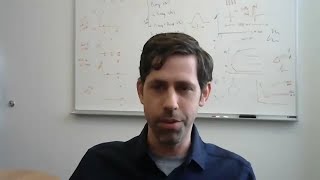
Seth Hays, PhD, The University of Texas at Dallas, Dallas, TX, discusses investigations into the neurobiological mechanisms underlying the inverted-U relationship between the intensity of vagus nerve stimulation (VNS) and recovery in patients with stroke. The study aimed to clarify if high-intensity VNS has no beneficial effects or actively inhibits any beneficial effects. Rats were given either moderate-intensity VNS or moderate-intensity stimulation interleaved with high-intensity stimulation, whereby high-intensity stimulation would either block any beneficial effects of moderate intensity stimulation or continue to promote stroke recovery. The study supported the former, and Dr Hays suggests that high-intensity VNS may cause a greater release of neuromodulators leading to the desensitization of receptors, and subsequently, the prevention of moderate-intensity VNS from having its beneficial effects. This interview took place at the European Stroke Organisation Conference (ESOC), 2021.