WSC 2026 | Stroke recovery: prioritizing survivors’ needs and addressing global disparities
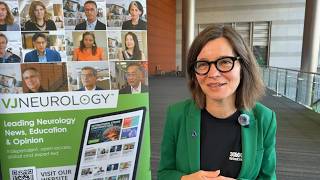
Lisa Murphy, MBBS, MRCP, Stroke Foundation, Melbourne, Australia, shares insights into the hidden disabilities that can affect stroke survivors, including fatigue and communication difficulties. Dr Murphy then discusses the disparities in stroke recovery care, emphasizing the value of the World Stroke Organization’s platform in sharing resources globally. This interview took place at the 18th World Stroke Congress (WSC) in Seoul, Korea.
These works are owned by Magdalen Medical Publishing (MMP) and are protected by copyright laws and treaties around the world. All rights are reserved.
Transcript
Yeah, it’s those hidden disabilities, things people don’t see. Fatigue is such a big issue. But one of the ones that’s really come to light is communication difficulties, aphasia, which can be really, really isolating for people that they don’t want to go out and they don’t want to interact with society. So we’re doing a lot of work in aphasia to support people, provide information and resources, and provide them in an aphasia-accessible way...
Yeah, it’s those hidden disabilities, things people don’t see. Fatigue is such a big issue. But one of the ones that’s really come to light is communication difficulties, aphasia, which can be really, really isolating for people that they don’t want to go out and they don’t want to interact with society. So we’re doing a lot of work in aphasia to support people, provide information and resources, and provide them in an aphasia-accessible way.
I think the biggest disparity is between low-resource countries and high-resource countries, like Australia. You know, when I’m talking about the challenges we have, it’s nothing like the challenges, say, in some African countries, and Joseph, who won the lived-experience advocacy award, you know, when I hear what he does in his country on literally nothing, and you know, I have many, many resources. Just the difference between those two is so great, and that’s why the World Stroke Organization’s platform, with lots of resources that all the different countries around the world have, is so important, because people like Joseph can use that for their country, and we can put all of our resources on there and really have this shared global community of stroke support organizations.
This transcript is AI-generated. While we strive for accuracy, please verify this copy with the video.
Read more...