ISC 2026 | Insights from the Eastern Health Cluster on workflow efficiency and time-to-treatment in AIS
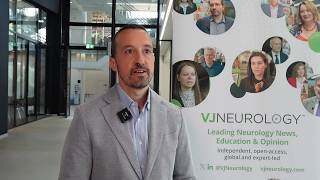
Bader Alenzi, MD, King Fahad Specialist Hospital, Dammam, Saudi Arabia, shares insights from the Eastern Health Cluster on workflow efficiency and time-to-treatment in acute ischemic stroke (AIS). Dr Alenzi notes that even small hospitals with limited resources can deliver guideline-based care, and emphasizes the value of global connections and knowledge sharing to improve stroke treatment worldwide. This interview took place at the 2026 International Stroke Congress (ISC), held in New Orleans, LA.
These works are owned by Magdalen Medical Publishing (MMP) and are protected by copyright laws and treaties around the world. All rights are reserved.
Transcript
So the insights from our region in the east of Saudi Arabia is how to give treatment in a proper time and a good time from presentation of the patient till the end of the journey. So we had to redesign the system there and this has happened by working with the EMS, the pre-notification, working with the other hospitals. We redesigned the hospital classification with acute stroke ready, primary stroke center and also a comprehensive stroke center...
So the insights from our region in the east of Saudi Arabia is how to give treatment in a proper time and a good time from presentation of the patient till the end of the journey. So we had to redesign the system there and this has happened by working with the EMS, the pre-notification, working with the other hospitals. We redesigned the hospital classification with acute stroke ready, primary stroke center and also a comprehensive stroke center. So the spokes, they get pre-notified, the patient gets to the hospital. ER physician is already given heads up about the patient’s treatment, given tPA, and over time taking the patients to the next step for the CT angio or the vascular imaging. And from there, send it to the Comprehensive Stroke Center if they need to have extra management like a thrombectomy. If not, the patient will be sent to the stroke unit and from the stroke unit he will continue the journey of rehab and this is our insight from there. So I think as a physician I worked here in the US for a good amount of years and moving back to Saudi Arabia. So the challenges are the same but the cause of challenges is different so not only the hospital with high technology can perform stroke management guidelines, even a small hospital with the limitation of manpower with the limitation of technology we can still deliver the right treatment for patients based on the guidelines. There’s a lot of good things at the symposium. Talking about stroke as a global disease with connection with everybody in the world for the treatment of stroke is very important to show our efforts as outside of the US or other countries in the world that we have to get connected to each other to know what improvements we can offer to the patients outside of the region and even in the area where they have limitations with technology or with the service in there so this is one of the good things that we have to keep joining for those meetings and I am happy that we have an international section or international part of this ISC to show the international positions or the attendees showing off their work and how they improve their system with a lot of limitations.
This transcript is AI-generated. While we strive for accuracy, please verify this copy with the video.
Read more...