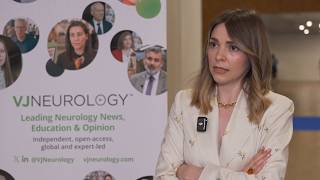
EAN 2026 | Assessing quality of life in individuals with epilepsy
Manuel Toledo, MD, PhD, VHIR Vall d’Hebron Institut de Recerca, Barcelona, Spain, discusses the importance of assessing quality of life in people with epilepsy. He highlights the Quality of Life in Epilepsy (QOLlE-31) questionnaire, as well as the need to assess broader measures to better understand the impact of epilepsy on patients and caregivers. This interview took place at the 12th Congress of the European Academy of Neurology (EAN) in Geneva, Switzerland.
These works are owned by Magdalen Medical Publishing (MMP) and are protected by copyright laws and treaties around the world. All rights are reserved.
Transcript
I think it’s relatively important for them to tell us whether they feel beyond the seizures or whether the quality of life we have very few tools to make a diagnosis of or to assess the quality of life in epilepsy which is basically the QOLIE-31 test where the patients are pretty much focused on the epilepsy considerations. However, we need further evaluations like SF-36, which is a tool to have a sense of what the patient is having regarding the general quality of life...
I think it’s relatively important for them to tell us whether they feel beyond the seizures or whether the quality of life we have very few tools to make a diagnosis of or to assess the quality of life in epilepsy which is basically the QOLIE-31 test where the patients are pretty much focused on the epilepsy considerations. However, we need further evaluations like SF-36, which is a tool to have a sense of what the patient is having regarding the general quality of life. That’s important because then we can compare the quality of life of patients with epilepsy and the caregivers with other disorders and with the general population, which is really important. Up to now, we don’t know whether patients with epilepsy have more or worse quality of life than a patient with diabetes or with the general population in the area, in Geneva or whatever. However, if we use different tools, like more general tools, and compare them to the QOLIE-31, which is the most common test used, that will be a big advance to start giving competitive advantages to the epilepsy population to receive the resources they really need in society.
This transcript is AI-generated. While we strive for accuracy, please verify this copy with the video.
Read more...