Educational content on VJNeurology is intended for healthcare professionals only. By visiting this website and accessing this information you confirm that you are a healthcare professional.

Share this video  

CONy 2021 | Amyloid-β in Alzheimer’s disease: pathogenic or protective?

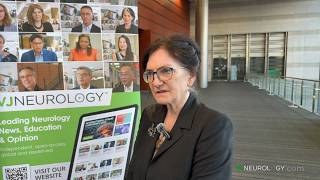
George Perry, PhD, The University of Texas at San Antonio, San Antonio, TX, talks on the role of amyloid-β in the pathogenesis of Alzheimer’s disease. The widely accepted Amyloid Cascade Hypothesis suggests that amyloid-β is the etiological factor for the development of Alzheimer’s disease. However, evidence indicates that amyloid-β plays a role in the oxidative response and acts as a protective mechanism, suggesting that amyloid-β is not driving the pathogenic process but is instead a consequence of the disease state. Therefore, approaches aimed exclusively at eliminating amyloid-β won’t be entirely successful. This interview was conducted during the virtual 2021 World Congress on Controversies in Neurology (CONy).

Disclosures

Synaptogenix, Nervgen

Choose your cookie settings

VJNeurology uses necessary cookies to make the site work. With your permission we'd also like to use analytics, preference and marketing cookies to understand how the site is used and improve it.

Choose an option to continue. You can change it at any time on our Cookie Policy page, linked at the bottom of every page.